


Soft Washing and Your Garden: Will It Kill Your Plants?
- Gina Cordoba
- Apr 3, 2024
- 3 min read

In the picturesque landscapes of homes across the country, homeowners are increasingly turning to soft washing as a gentle yet effective method to clean their homes' exteriors, roofs, and driveways. Amidst this trend, a vital question arises for the environmentally conscious and those with green thumbs: "Will soft wash kill plants?" This comprehensive exploration delves into the interaction between soft washing practices and the surrounding flora, aiming to dispel myths and provide peace of mind to homeowners who value both their home's aesthetic and their garden's health.
Understanding Soft Washing
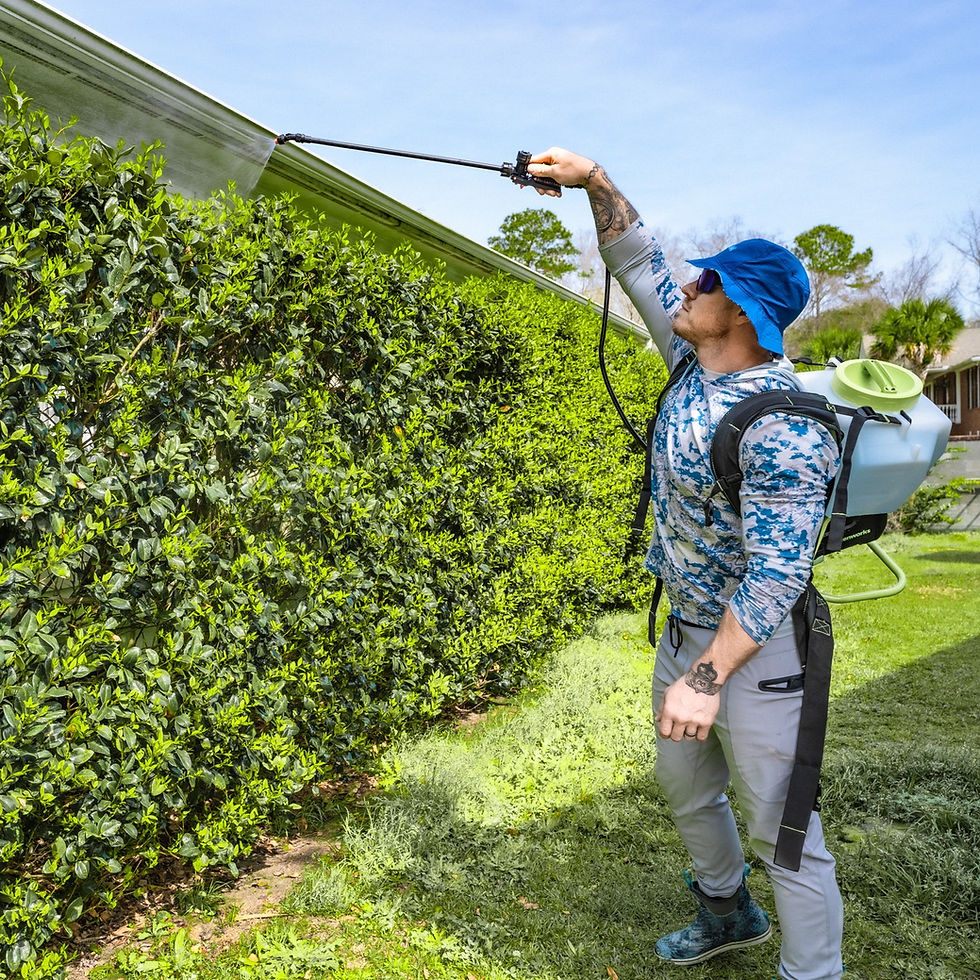
Soft washing is a cleaning technique that uses low-pressure water combined with specific cleaning solutions to remove dirt, algae, mold, and other biological growths from surfaces. Unlike its high-pressure counterpart, soft washing is favored for its ability to clean effectively without risking damage to sensitive surfaces, such as roof shingles and sidings. However, the crux of the matter often lies in the cleaning solutions used, which can be a cause for concern when it comes to plant life.
The Potential Risks to Plants
The primary concern regarding soft washing and plant health revolves around the chemical solutions used in the process. These solutions are designed to kill off unwanted biological material on surfaces being cleaned, and without proper care, they can have a similar effect on plant life. If these chemicals are allowed to accumulate on foliage or seep into the soil, they can cause harm ranging from leaf burn to more severe root damage, potentially leading to plant death.
Safeguarding Your Garden

Despite these potential risks, soft washing can be performed safely with the right precautions, ensuring that your garden remains lush and healthy. Here are some strategies professionals use to protect plant life during a soft washing process:
1. Pre-Wetting Plants and Soil
Before applying any cleaning solution, it’s a common practice to thoroughly water all plants and the surrounding soil in the work area. This step helps by creating a diluting barrier that prevents the absorption of harmful chemicals, essentially safeguarding the plants' roots and foliage from chemical burns.
2. Using Eco-Friendly Cleaning Solutions
Many softwashing professionals are shifting towards eco-friendly, biodegradable cleaning solutions that pose minimal risk to plants, animals, and humans. These solutions are specially formulated to be effective against mold, algae, and dirt without the harsh side effects associated with traditional chemicals.
3. Chemical Neutralization
After the soft washing process, it's crucial to neutralize any residual cleaning solution. This is often achieved by applying a neutralizing agent to the treated surfaces and surrounding plants, which helps to mitigate any potential harm from the cleaning agents used.
4. Rinsing Plants and Soil
Following the application and neutralization of the cleaning solution, a thorough rinse of the plants and soil with clean water helps remove any lingering chemicals. This step is essential in ensuring that no harmful residues remain that could affect plant health.
5. Professional Application Techniques
Experienced professionals are adept at applying cleaning solutions in a way that minimizes overspray and runoff, further protecting your garden. Techniques such as direct application and careful control of the spray pattern ensure that the solution targets only the intended surfaces.
The Role of Professional Expertise
The key to a successful and plant-friendly soft wash lies in the expertise of the professionals performing the work. Experienced technicians understand the importance of protecting your garden and are skilled in employing techniques and solutions that mitigate risks to your plants. When choosing a softwashing provider, it’s important to inquire about their methods for plant protection and their experience in handling sensitive cleaning tasks.
Eco-Friendly Advances in Soft Washing
The softwashing industry is continually evolving, with ongoing advancements in eco-friendly technologies and solutions. Today, many softwashing professionals prioritize the use of environmentally safe products and techniques, reflecting a growing commitment to sustainability and the well-being of the ecosystems surrounding our homes.
Soft washing, when done correctly, does not have to be a threat to your garden's vitality. With the appropriate precautions, eco-friendly solutions, and professional expertise, your home can enjoy the benefits of a thorough cleaning without compromising the health of your plants. Homeowners can rest assured that it is entirely possible to maintain both a pristine home exterior and a thriving garden, contributing to the overall beauty and value of their property.
As we continue to embrace home maintenance practices that are not only effective but also environmentally responsible, the relationship between soft washing and plant safety stands as a testament to the achievable balance between human needs and ecological care. By selecting the right professionals and advocating for eco-friendly practices, homeowners can ensure that their efforts to beautify their homes also reflect a commitment to preserving the natural beauty that surrounds them.


Comments